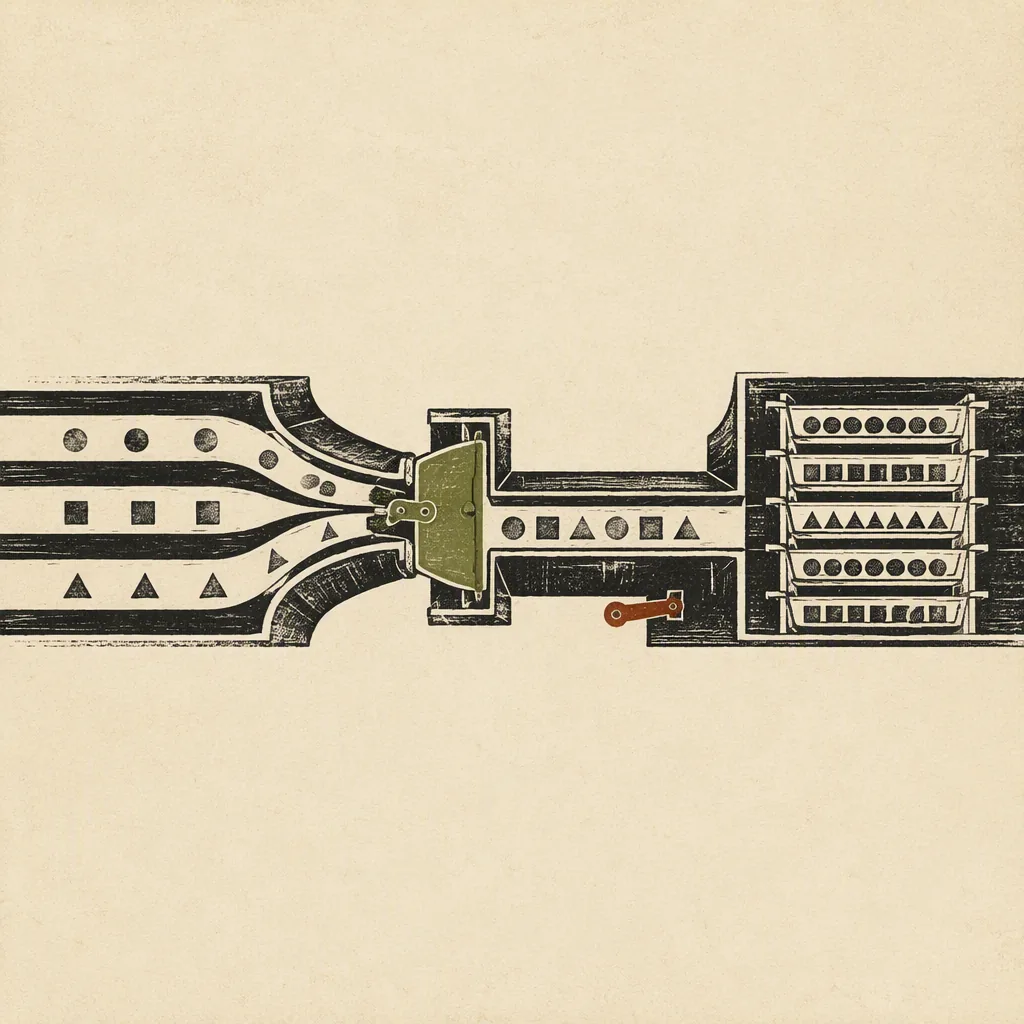
A join table that cannot contain duplicate memberships
Protect tenant-scoped membership identity, preserve roles during repeated adds, and reproduce an insert-or-fetch query that returns nothing after a conflict.
Foundation
The journal / Ideas in progress
Engineering & everyday learningSoftware, systems, and the things I’m learning along the way. From first principles to AI in production.
Find something to readA little theory. A lot of practice.
Protect tenant-scoped membership identity, preserve roles during repeated adds, and reproduce an insert-or-fetch query that returns nothing after a conflict.

Protect a bounded ring queue as one state transition, including its head, tail and count, and state what the mutex does not guarantee.
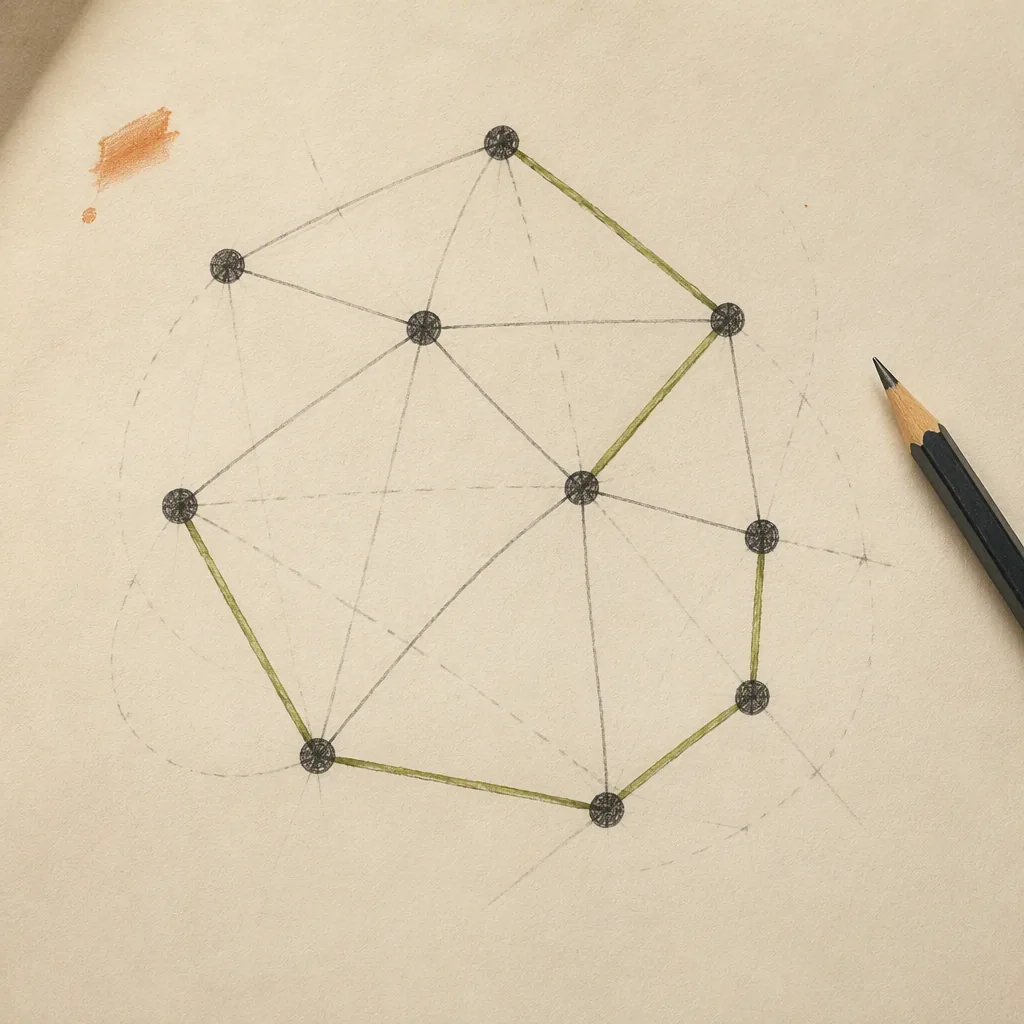
Trace recursive calls through a directory-shaped tree, handle empty directories, and account for stack depth without treating a real filesystem as a simple tree.

Choose the next skill from the dependencies of a receipt organizer, with clear questions and evidence for each boundary.
Choose HTTP methods for an order API by their defined effects, then document replacement, retries and deletion with concrete requests.
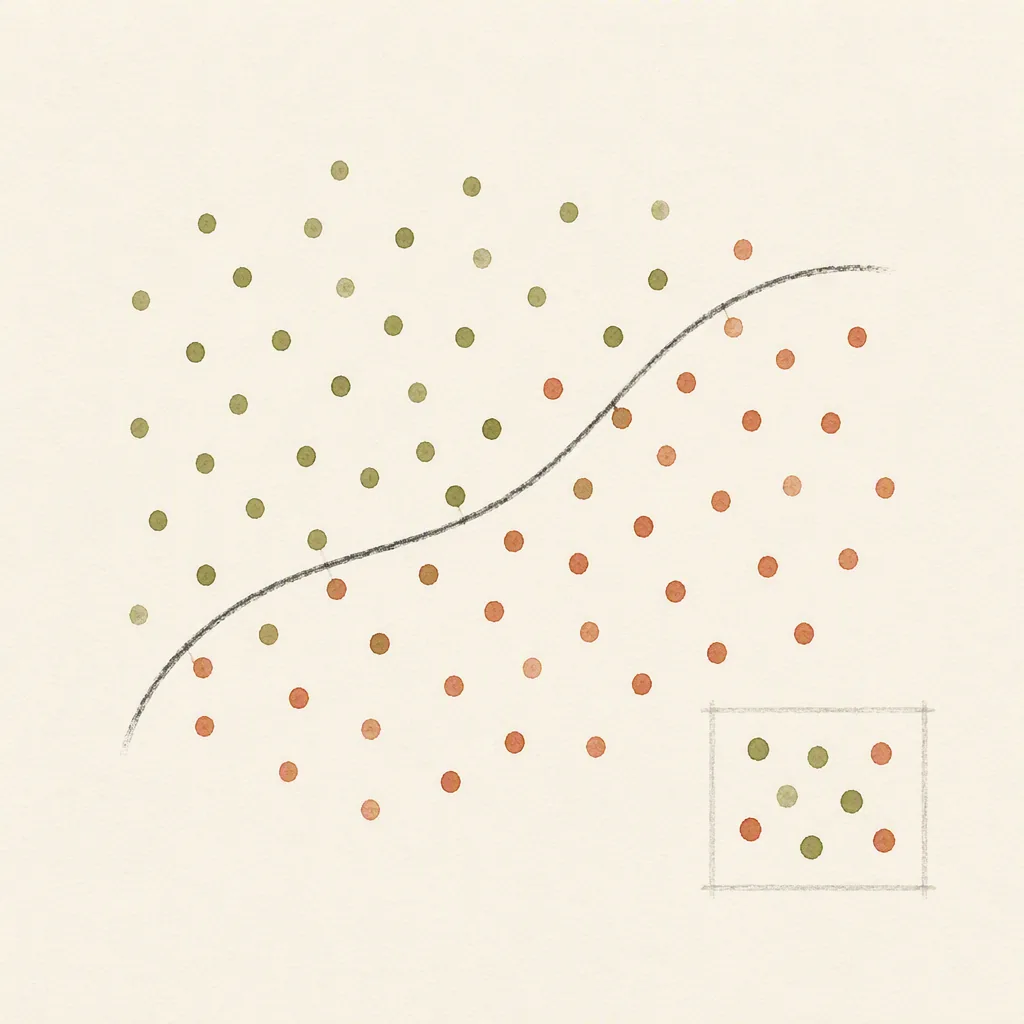
Fit a tiny linear model, recognize curvature in its residuals, and separate misspecified mean structure from changes in error spread.
Run local TCP controls where the same client timeout hides different server outcomes, then test retry identities and lost deduplication receipts.

Update native checkboxes and nested metadata while preserving a saved baseline, then test no-op identity, shared references, structured cloning and shallow freeze.

Propagate a user request deadline through retrieval and generation, reserve time for a fallback, and avoid retries that continue after the answer is no longer useful.
Relate insertion-sort shifts to inversions, compare nearly sorted and reversed inputs, and explain why the definition of disorder matters more than one timing run.
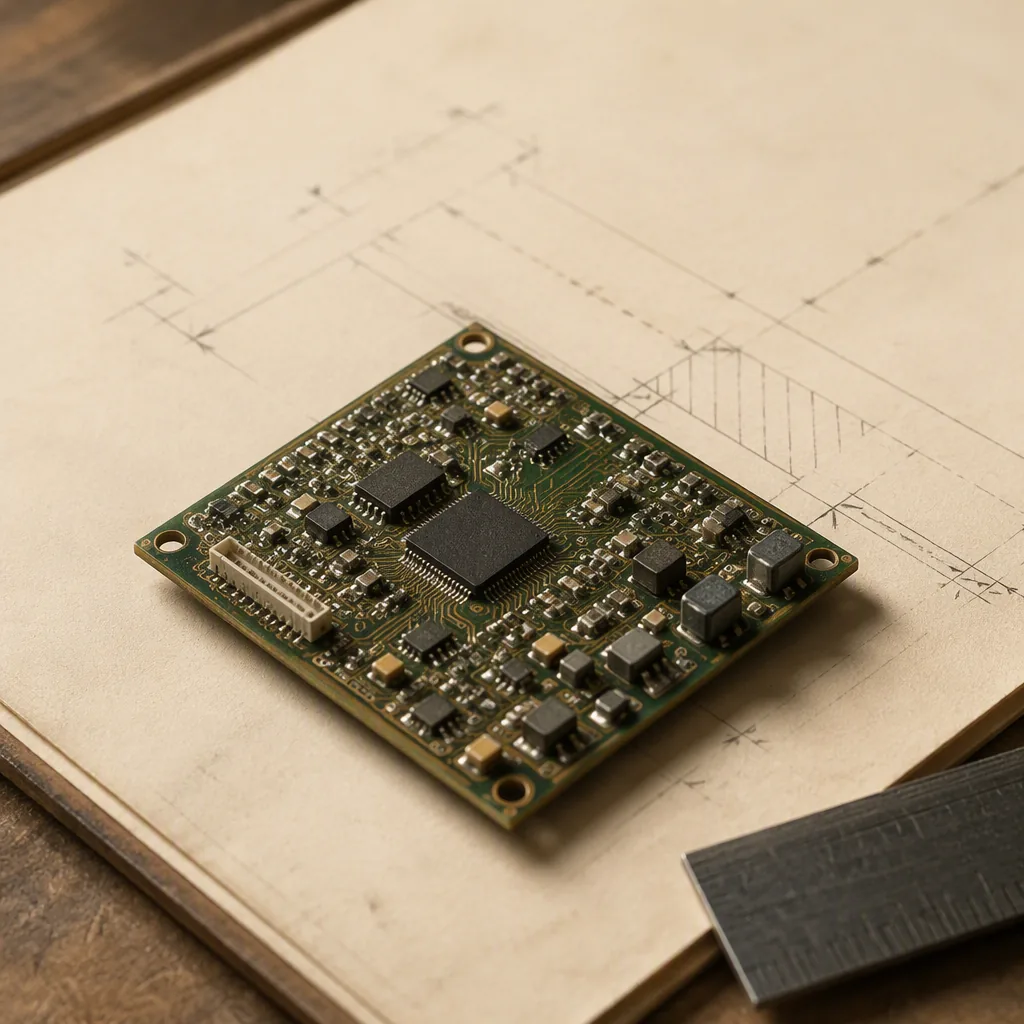
Trace MMIO access width, compiler constraints, posted-write delivery and device completion with a fictional executable register model.
Create a tiny pgvector table, inspect exact cosine-distance ordering, and establish a correctness reference before adding an approximate index.