Why averaging group averages changes the answer
Class sizes of two and eight produce different weighted and unweighted exam averages. A worked analytical example with explicit assumptions and checked results.
Foundation
The journal / Ideas in progress
Engineering & everyday learningSoftware, systems, and the things I’m learning along the way. From first principles to AI in production.
Find something to readA little theory. A lot of practice.
Class sizes of two and eight produce different weighted and unweighted exam averages. A worked analytical example with explicit assumptions and checked results.
Assign six delayed observations to two sets of five-minute windows, then test replay, timestamp offsets, exact boundaries and a clock-disagreement counterexample.

Specify evidence, missing-data behavior, and output requirements for a document assistant, then test the prompt against concrete support questions.
Calculate a combined request-quality SLI in SQLite, distinguish conditional denominators and fast errors, and bound the result when duration measurements are missing.

Map source authority, permitted uses, audience and derived copies in a fictional handbook assistant, then design a concrete document-withdrawal exercise.
Validate units, reporting scope, batch completeness and execution identity before computing a job-duration metric, while preserving legitimate empty results.
Prevent evaluation leakage by grouping related questions and document revisions, using time-aware boundaries, and keeping prompt development away from the final holdout.
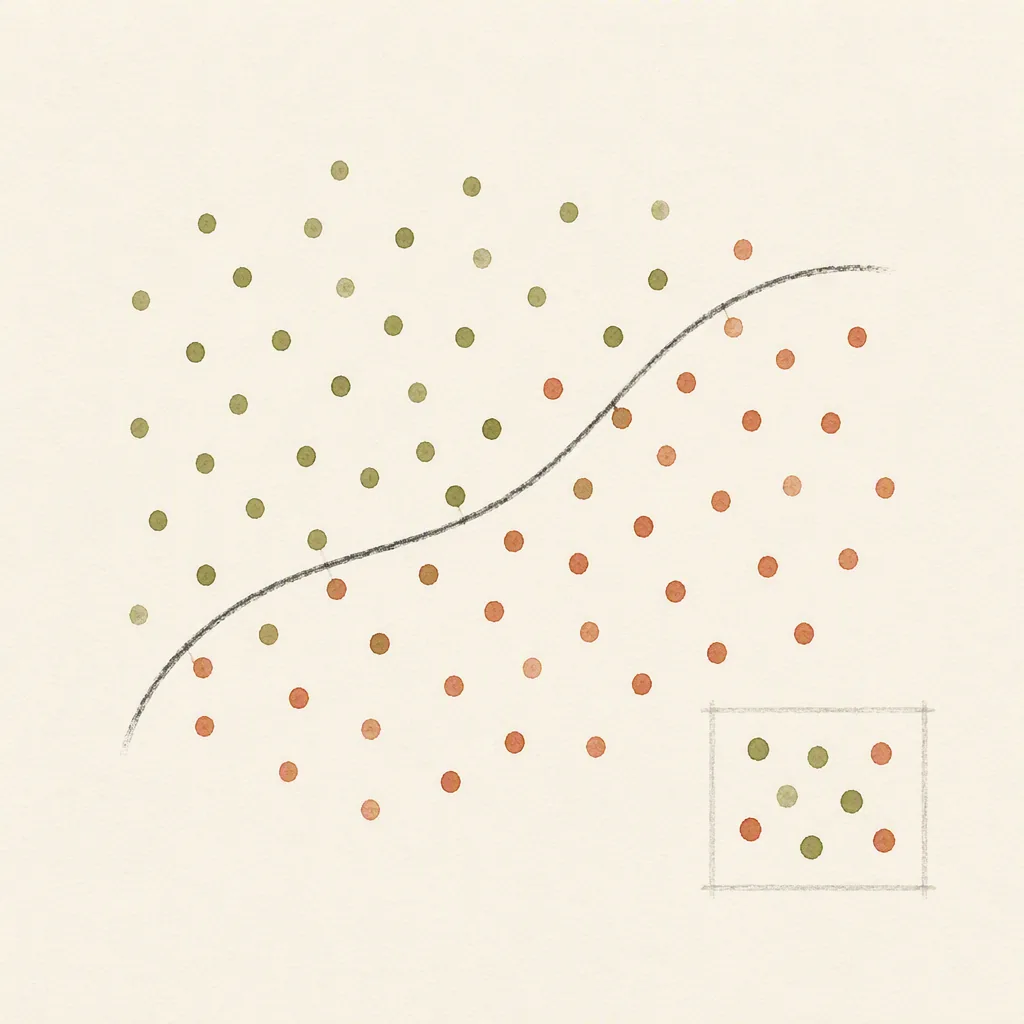
Compare lookup errors under recording and speaker splits, then construct connected blocks that keep both speakers and devices separate.
Select the newest available producer for each operand, trace two writes to the same register, and distinguish forwarding from waiting for an unavailable result.
Keep inventory movements separate from closing balances, check missing warehouse coverage, and reconcile state with changes under an explicit reporting boundary.

Trace two increments that lose an update, define the critical section, and distinguish a teaching interleaving from undefined C++ data races.
Compare scoped row counts, reported-value counts, quantities and identities to expose balanced errors, null changes and shared omissions.