
Balancing full-stack breadth with depth
Balance full-stack breadth with depth by investigating an inventory update bug and defining observable learning goals.
Foundation
The journal / Ideas in progress
Engineering & everyday learningSoftware, systems, and the things I’m learning along the way. From first principles to AI in production.
Find something to readA little theory. A lot of practice.
Balance full-stack breadth with depth by investigating an inventory update bug and defining observable learning goals.
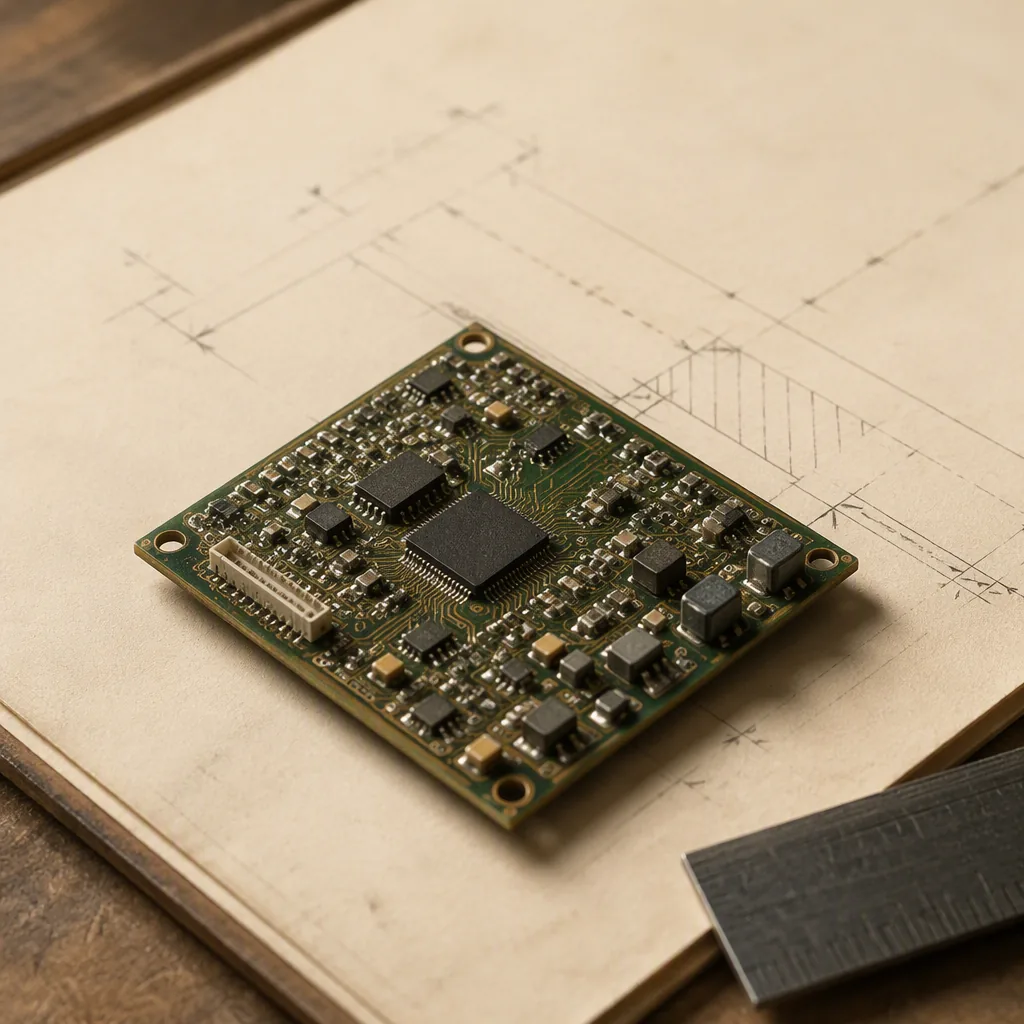
Trace LRU and FIFO on three array blocks, compare equal-capacity caches, and see why more ways can still leave conflicts or merge separate sets.

Inspect a real local plan where one new identity causes a dependent replacement and an in-place update, then verify the resulting identities.
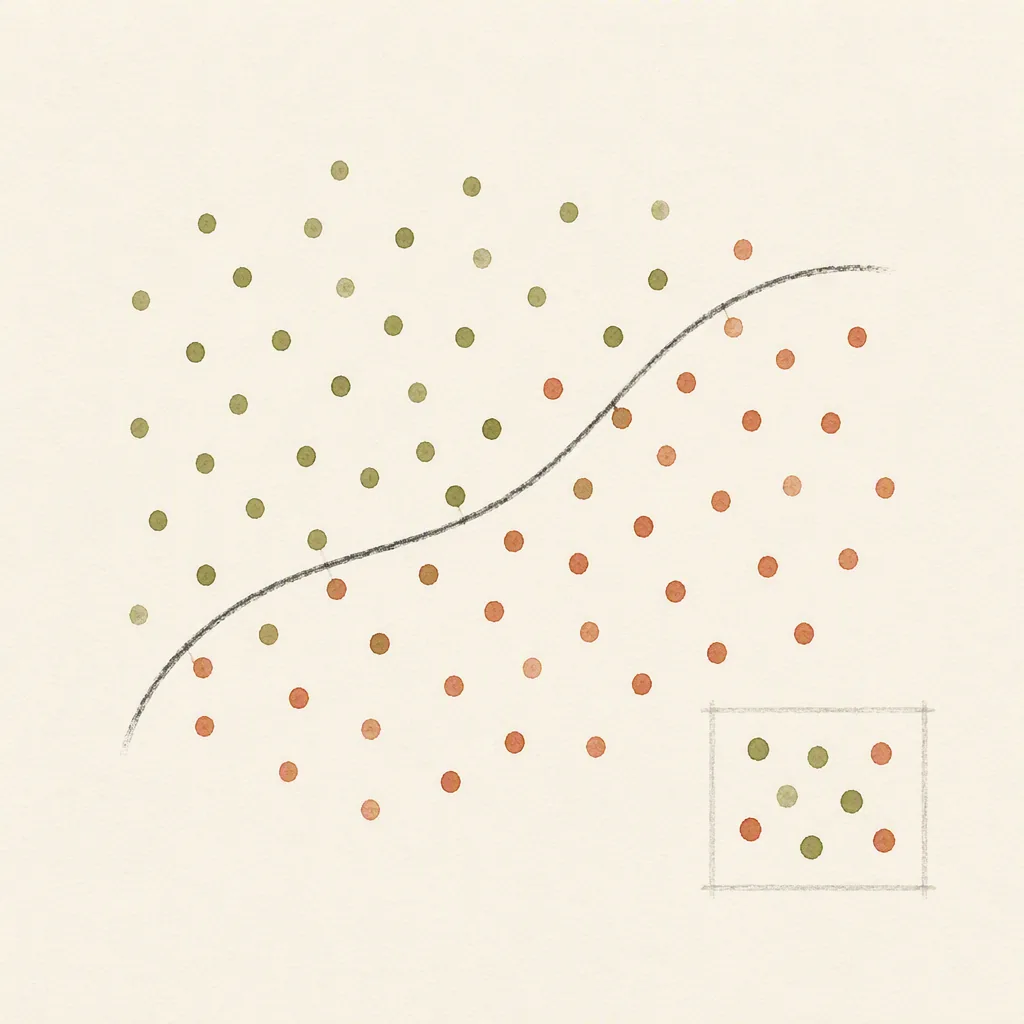
Derive central-difference error, expose floating-point cancellation and a hidden gradient bug, and test the limits of directional checks.

Review a Claude Code API patch for validation, authorization, response semantics, and test independence before accepting the generated diff.
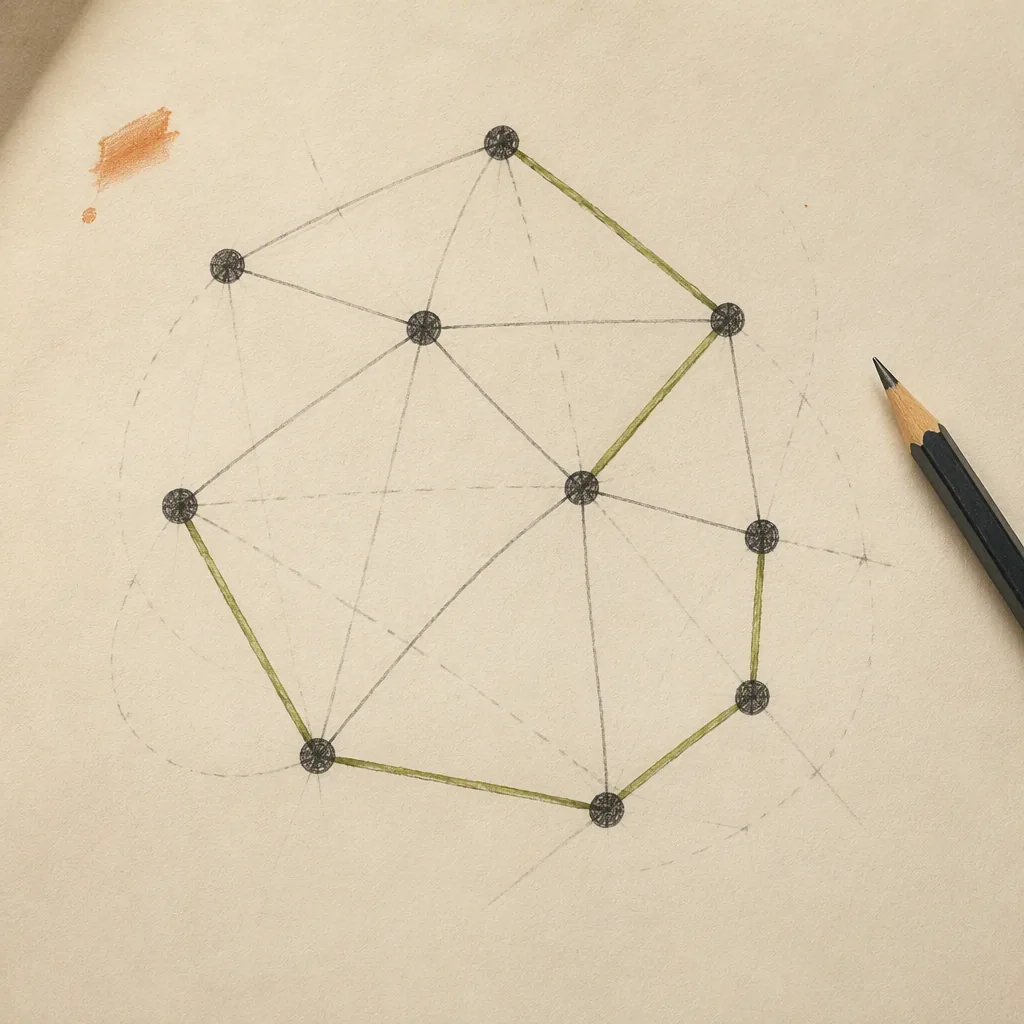
Plan sorted runs and buffered merges for a file larger than RAM, calculate merge passes and I/O volume, and distinguish a byte budget from object memory.
Separate upstream attribution, a specific maintenance change and verified results through Capturia notices and a bounded GIF timing example.
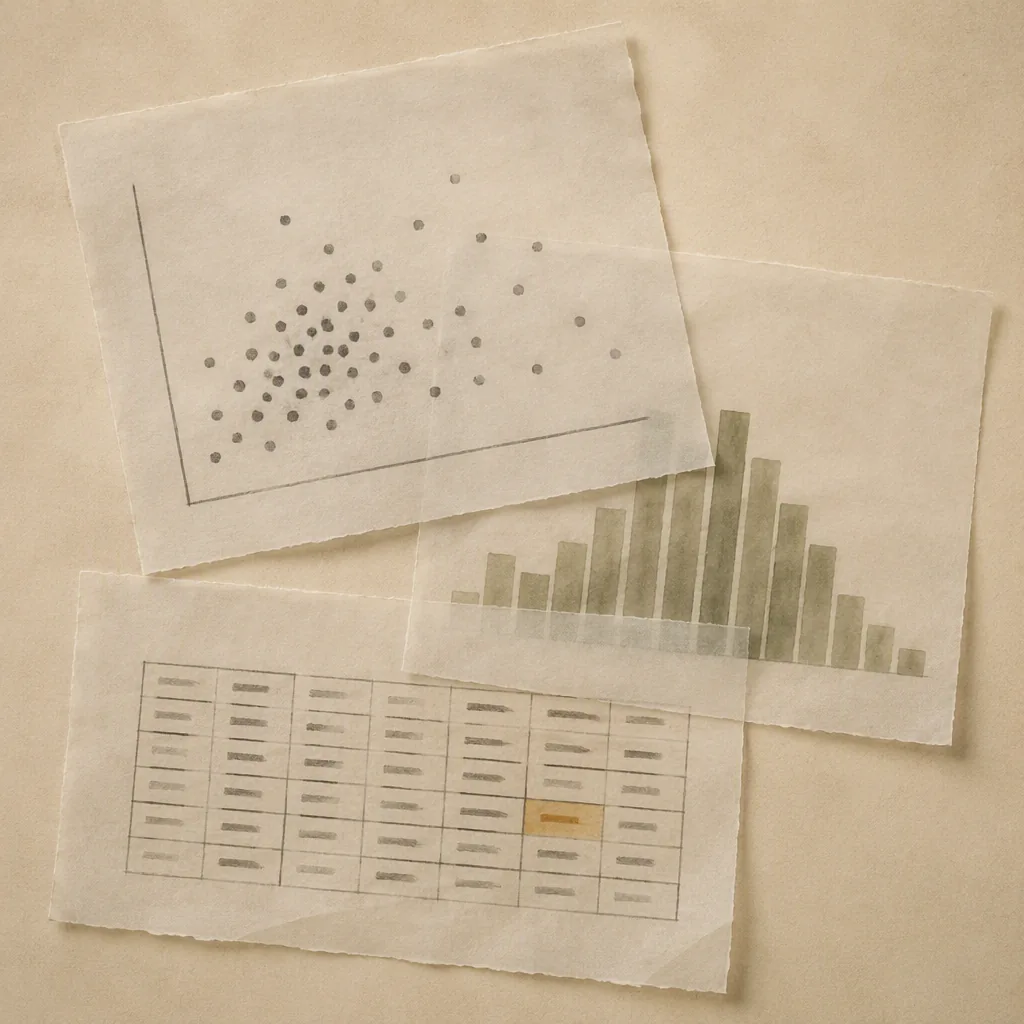
Compare scoped row counts, reported-value counts, quantities and identities to expose balanced errors, null changes and shared omissions.

Set language and direction accurately, isolate user-supplied text, and test mixed English, Vietnamese and Arabic content without reversing stored strings.

Compare inherited descriptors with independent open calls using a six-byte file, and explain shared offsets, close behavior and close-on-exec.
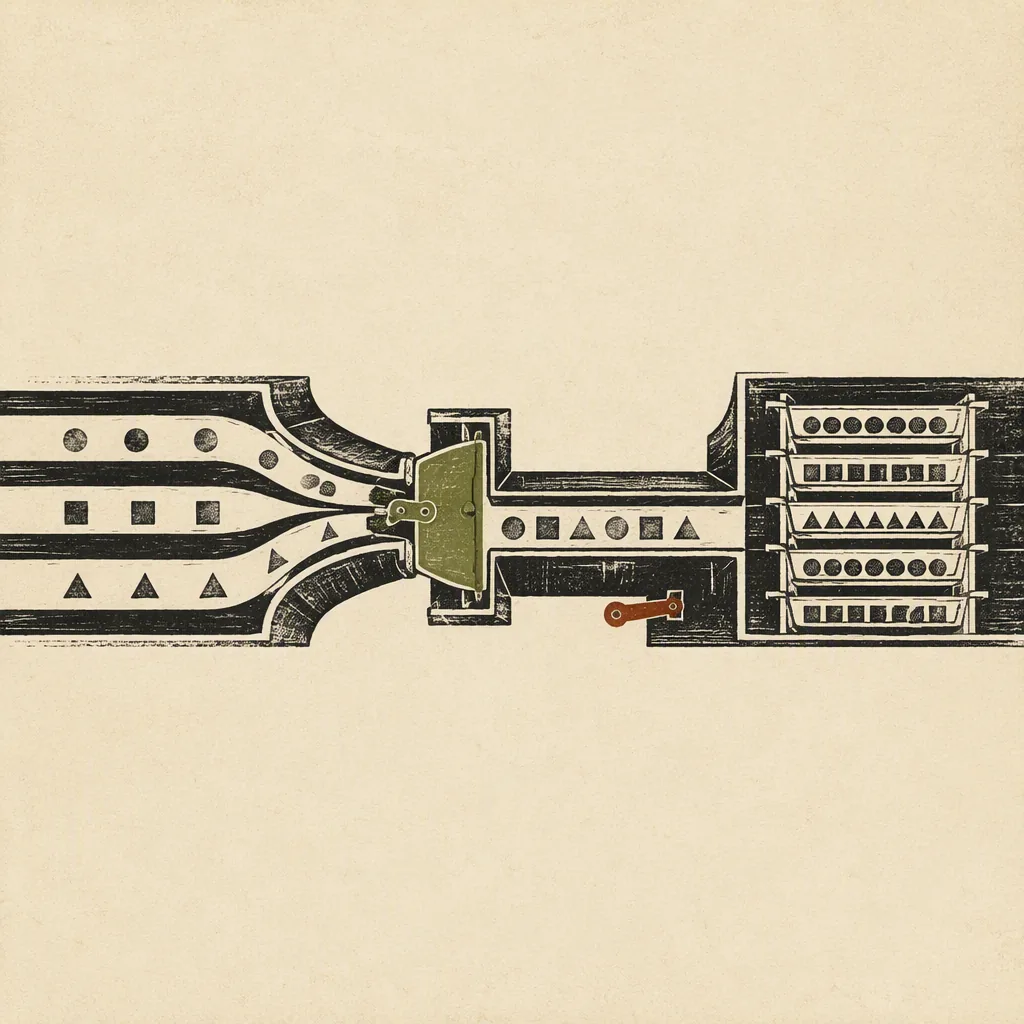
Transfer credits with PostgreSQL, check affected rows, observe commit from two sessions, and reproduce rollback, insufficient funds and repeated-request limits.
Trace an alias to a local HTTPS server, observe TLS SNI and HTTP Host separately, and distinguish a certificate rejection from an application routing failure.