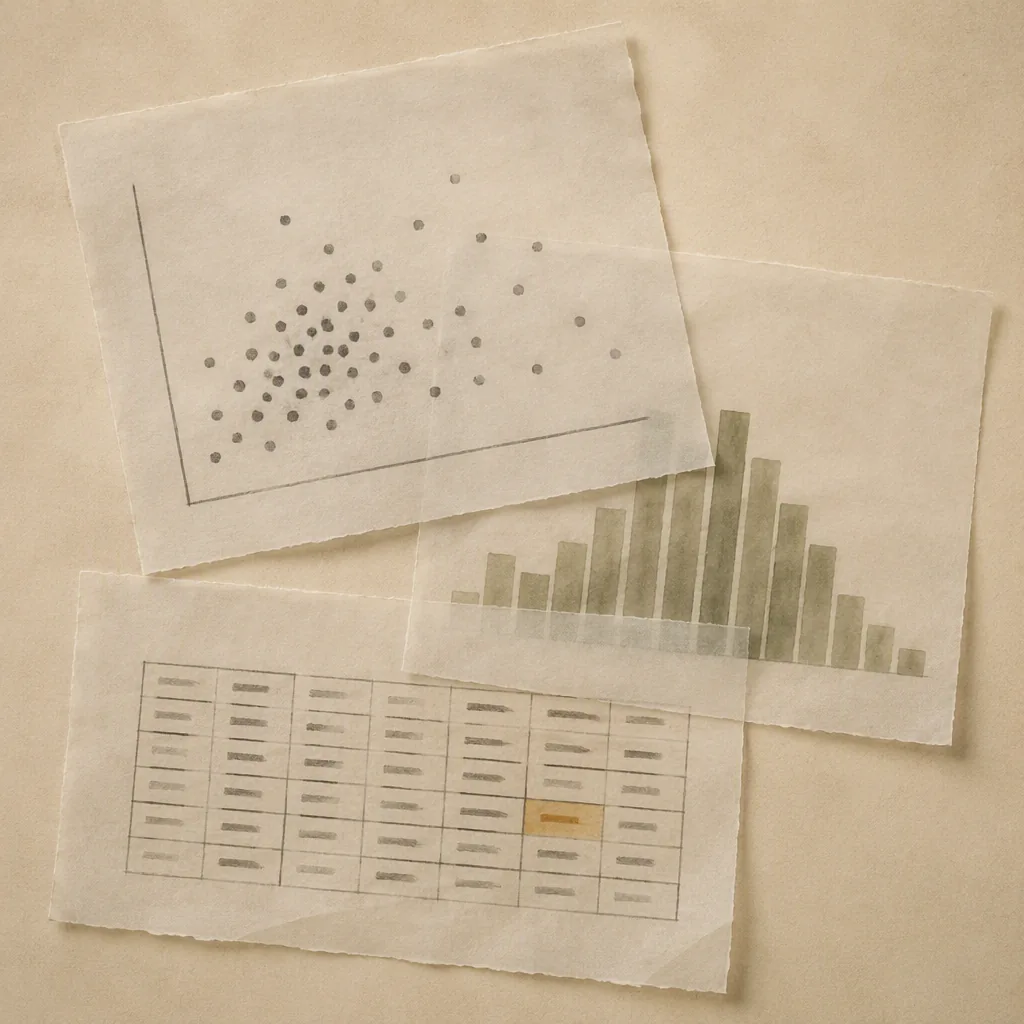
Use half-open intervals for incremental extracts
Assign boundary events exactly once with SQLite predicates, compare 23- and 25-hour local days, and separate late-arrival completeness from interval correctness.
Foundation
The journal / Ideas in progress
Engineering & everyday learningSoftware, systems, and the things I’m learning along the way. From first principles to AI in production.
Find something to readA little theory. A lot of practice.
Assign boundary events exactly once with SQLite predicates, compare 23- and 25-hour local days, and separate late-arrival completeness from interval correctness.
Count rows, submissions and observed ratings correctly with runnable SQL, an invitation denominator, empty cohorts and explicit missingness rules.
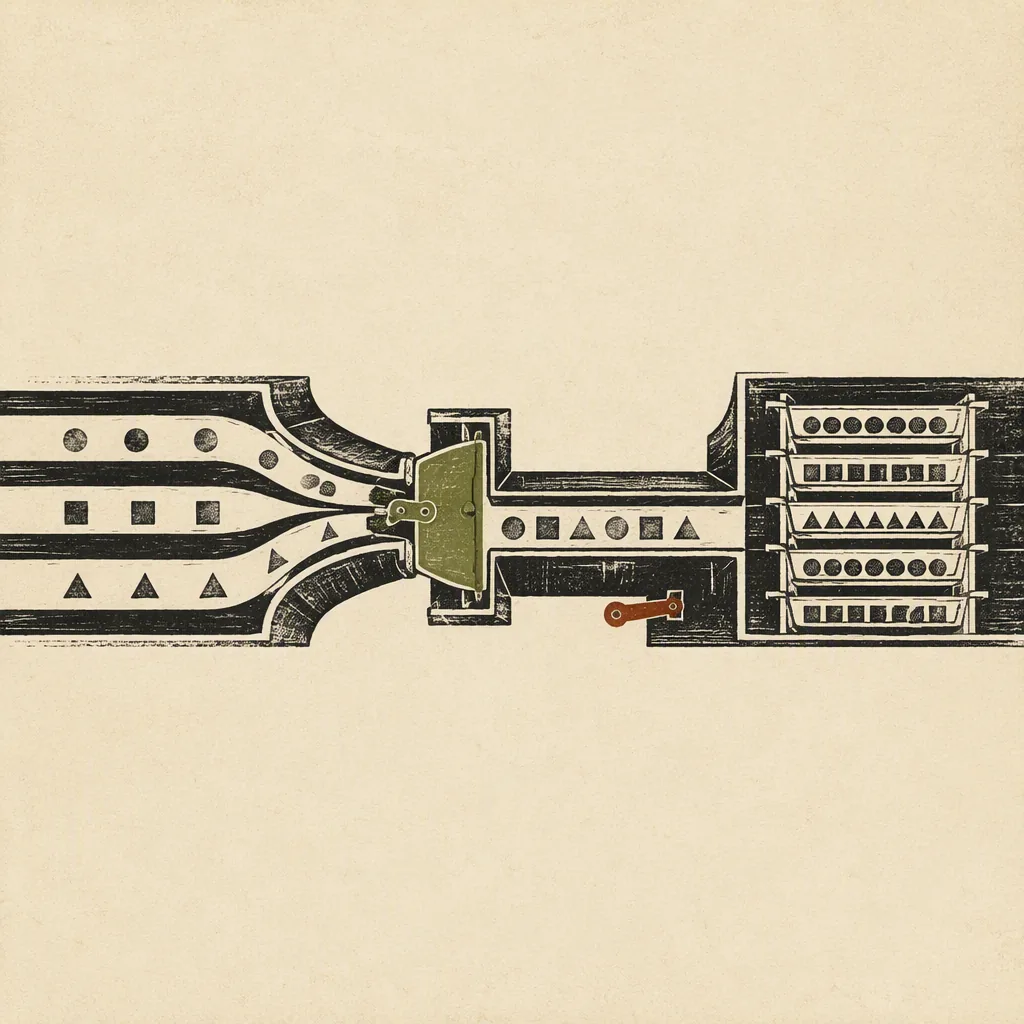
Compute a tenant-scoped email key, test concurrent uniqueness and compare retired-key reservation with an active-only index and its restoration conflict.
Class sizes of two and eight produce different weighted and unweighted exam averages. A worked analytical example with explicit assumptions and checked results.
Assign six delayed observations to two sets of five-minute windows, then test replay, timestamp offsets, exact boundaries and a clock-disagreement counterexample.
Calculate a combined request-quality SLI in SQLite, distinguish conditional denominators and fast errors, and bound the result when duration measurements are missing.
Protect concurrent profile edits with a version-checked SQL update, distinguish zero rows from errors, and test conflict resolution and unversioned writers.
Compare scoped row counts, reported-value counts, quantities and identities to expose balanced errors, null changes and shared omissions.
Transfer credits with PostgreSQL, check affected rows, observe commit from two sessions, and reproduce rollback, insufficient funds and repeated-request limits.
Trace changing inventory reads in PostgreSQL Read Committed, compare Repeatable Read, and locate snapshot boundaries at the first query and statement start.
Define what one analytical row represents, keep receipt and line measures separate, and distinguish a missing line from an observed zero with executable SQL.
Protect tenant-scoped membership identity, preserve roles during repeated adds, and reproduce an insert-or-fetch query that returns nothing after a conflict.