
Lighthouse 100 and agent-ready: a Da Nang flower shop
How a Da Nang flower shop site reached Lighthouse 100 on desktop and mobile and a 100/100 agent-ready score: Cloudflare, images, SEO, GEO and AEO.
Intermediate
The journal / Ideas in progress
Engineering & everyday learningSoftware, systems, and the things I’m learning along the way. From first principles to AI in production.
Find something to readA little theory. A lot of practice.
How a Da Nang flower shop site reached Lighthouse 100 on desktop and mobile and a 100/100 agent-ready score: Cloudflare, images, SEO, GEO and AEO.

Run local TCP controls where the same client timeout hides different server outcomes, then test retry identities and lost deduplication receipts.

Propagate a user request deadline through retrieval and generation, reserve time for a fallback, and avoid retries that continue after the answer is no longer useful.

Relate insertion-sort shifts to inversions, compare nearly sorted and reversed inputs, and explain why the definition of disorder matters more than one timing run.
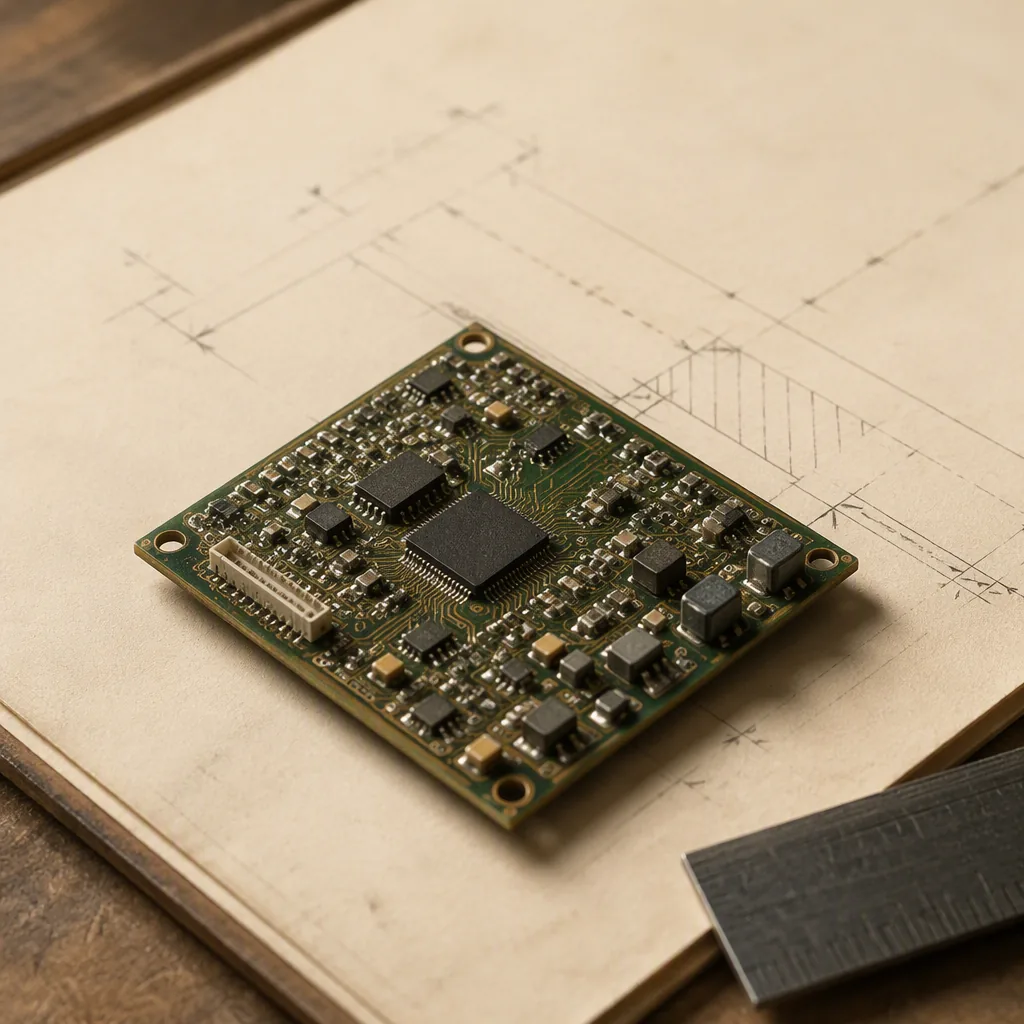
Trace MMIO access width, compiler constraints, posted-write delivery and device completion with a fictional executable register model.
Create a tiny pgvector table, inspect exact cosine-distance ordering, and establish a correctness reference before adding an approximate index.
Validate an LLM extraction beyond JSON syntax by checking schema, arithmetic, source evidence, and the difference between missing information and zero.

Turn a vague API failure into a reproducible help request, separating HTTP 404, rejected fetch calls, JSON-read errors and conclusions the evidence cannot support.

Inspect actual Argon2id records, measure three explicit policies and use a conditional migration write to preserve a password reset that committed first.
Calculate a tiny attention row, apply a causal mask, and follow the weighted value sum while keeping attention weights separate from an explanation.
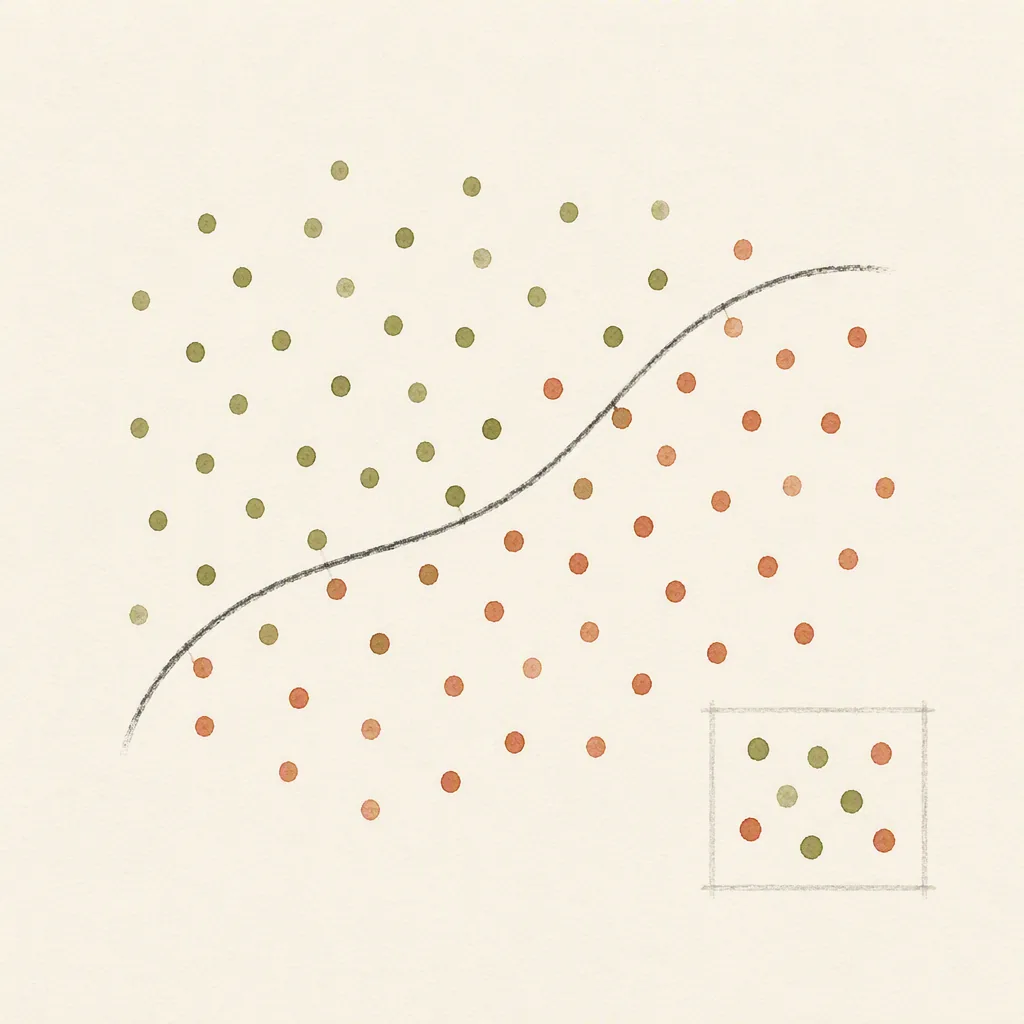
Trace a shared scalar computation, reproduce its gradients, expose a detached branch and distinguish a ReLU kink from a gradient bug.
Use vector scores, zero-error probabilities and a quadratic update to choose the next mathematics topic while keeping each inference within its assumptions.